

Unraveling the Enigma: Red Panda Trivia
Last updated: November 5, 2026
3 min read
The red panda is a small, bamboo-eating mammal of the eastern Himalayas, and despite its name it is not a panda at all in the family sense. It is the only living member of its own family, Ailuridae, and its closest relatives are raccoons, weasels and skunks rather than the black and white giant panda. This post is a proper red panda primer followed by a ten-question trivia game, so you can read up first and then test yourself.
Confusingly, the red panda actually had the name “panda” first. It was described by science in 1825, decades before the giant panda became widely known in the West, so for a while “panda” simply meant this animal. The giant panda was the newcomer that borrowed the label.
Red panda appearance and size
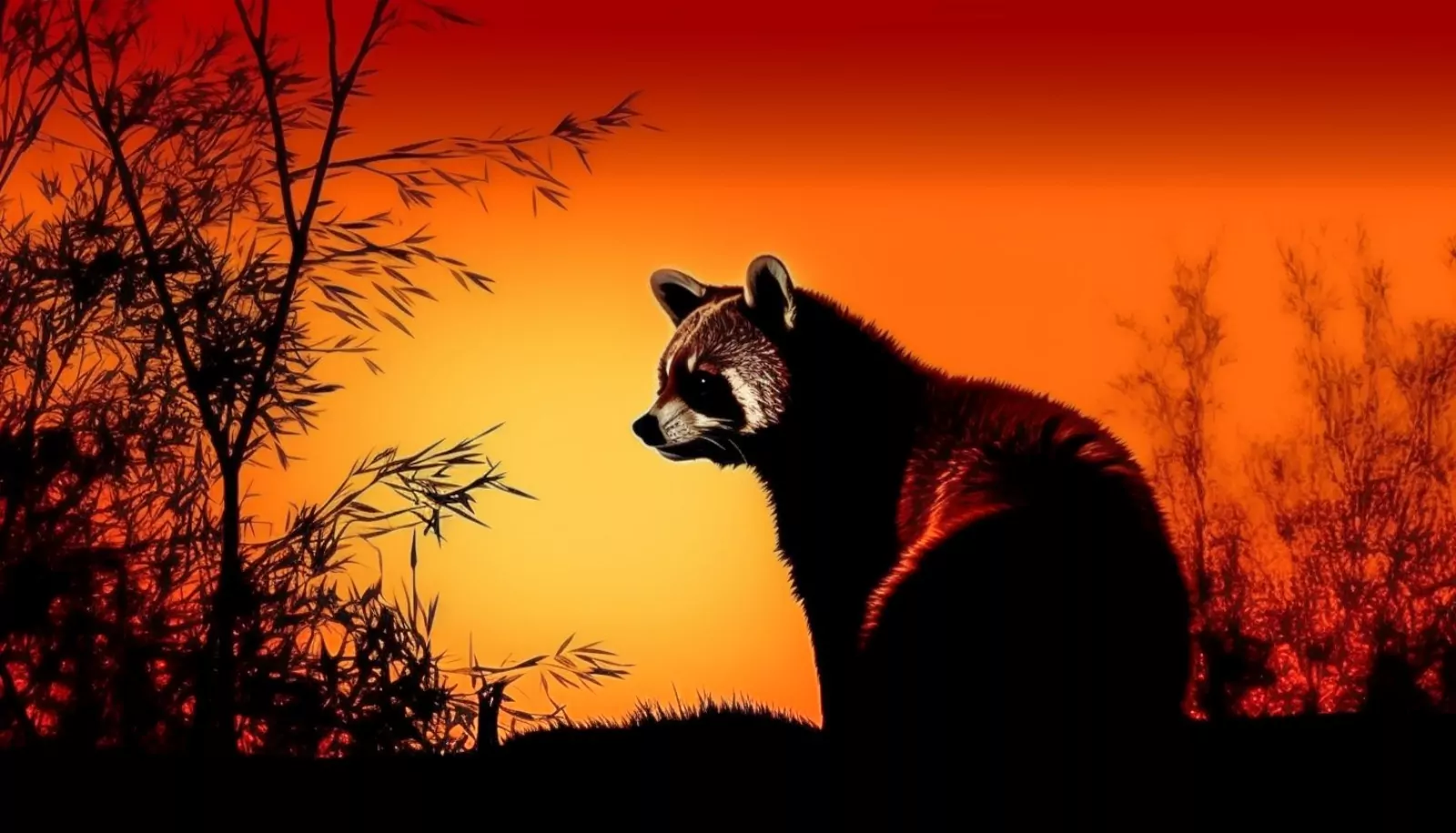
A red panda is roughly the size of a domestic cat with a longer body, and it weighs about 3 to 6 kilograms. Its standout features are a deep rust-red and chestnut coat, a long, thickly ringed tail that can be nearly as long as its body, and a white face marked with pale “tear tracks” running from the eyes to the corners of the mouth. The dense fur even covers the soles of its feet, useful insulation for an animal that lives in cold, wet mountain forest and walks on snowy branches.
One of its most remarkable traits is a “false thumb.” This is not a real digit but an enlarged wrist bone, the radial sesamoid, that works like an extra thumb and lets the red panda grip bamboo stems firmly. The giant panda independently evolved a very similar structure, a classic example of two unrelated animals arriving at the same solution because they eat the same food.
Habitat and range
Red pandas live in the temperate broadleaf and conifer forests of the eastern Himalayas and the mountains of southwestern China. Their range stretches across Nepal, Bhutan, northern India, northern Myanmar and Chinese provinces including Sichuan and Yunnan. They favour cool, mossy forest with a thick bamboo understorey, typically at elevations between about 2,200 and 4,800 metres (roughly 7,200 to 15,700 feet).
They are mostly solitary, mostly active around dawn, dusk and night, and they spend a great deal of time in the trees. Semi-retractable claws and rotating ankle joints let them climb down trunks head first, an ability most climbing mammals lack.
Diet: a carnivore that lives on bamboo
Although the red panda is classified within the order Carnivora, bamboo makes up roughly 85 to 95 percent of what it eats, focused on the most tender shoots and leaves. It will also take fruit, berries, acorns, eggs, insects and the occasional small rodent or bird. Because bamboo is low in nutrients and a carnivore’s gut is not built to extract much from it, a red panda has to eat a great deal and rest often. It is one of nature’s more demanding diets.
Conservation status
The red panda is listed as endangered on the IUCN Red List, with an estimated wild population often cited at fewer than 10,000 mature individuals and still declining. The main pressures are habitat loss and fragmentation as forests are cleared for farming, logging and grazing, along with poaching for fur and capture for the illegal pet trade. Conservation groups such as the Red Panda Network work with Himalayan communities on forest protection and anti-poaching patrols. Accredited zoos also run coordinated breeding programmes that maintain a healthy backup population.
Red Pandas Questions & Answers Trivia Game
Now test what you have learned. Read each question, then scroll down for the answer.
Question 1: What family does the Red Panda belong to?

Answer 1: Ailuridae
Question 2: Where is the Red Panda primarily found?
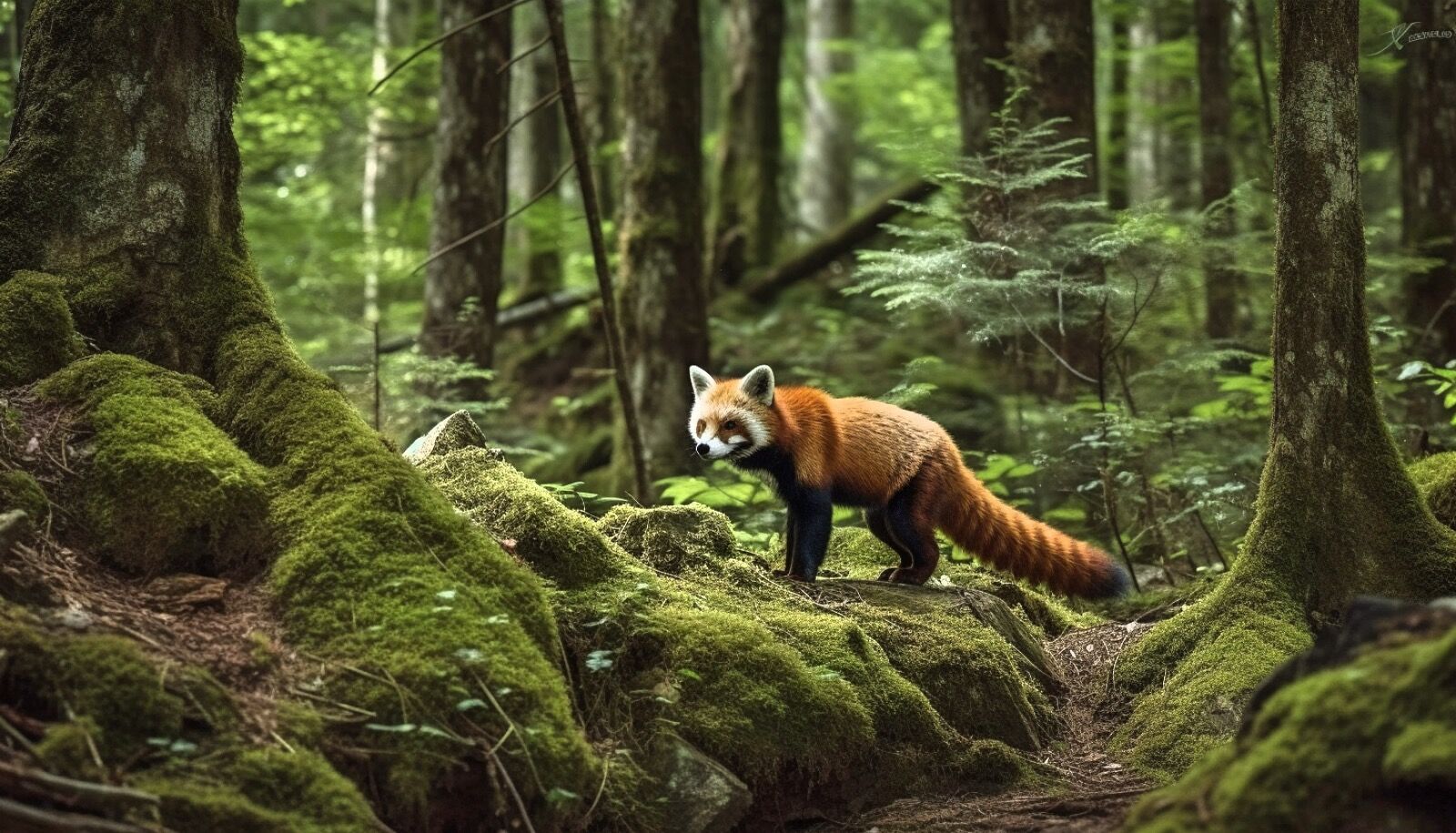
Answer 2: Eastern Himalayas and southwestern China
Question 3: What percentage of the Red Panda’s diet is made up of bamboo?
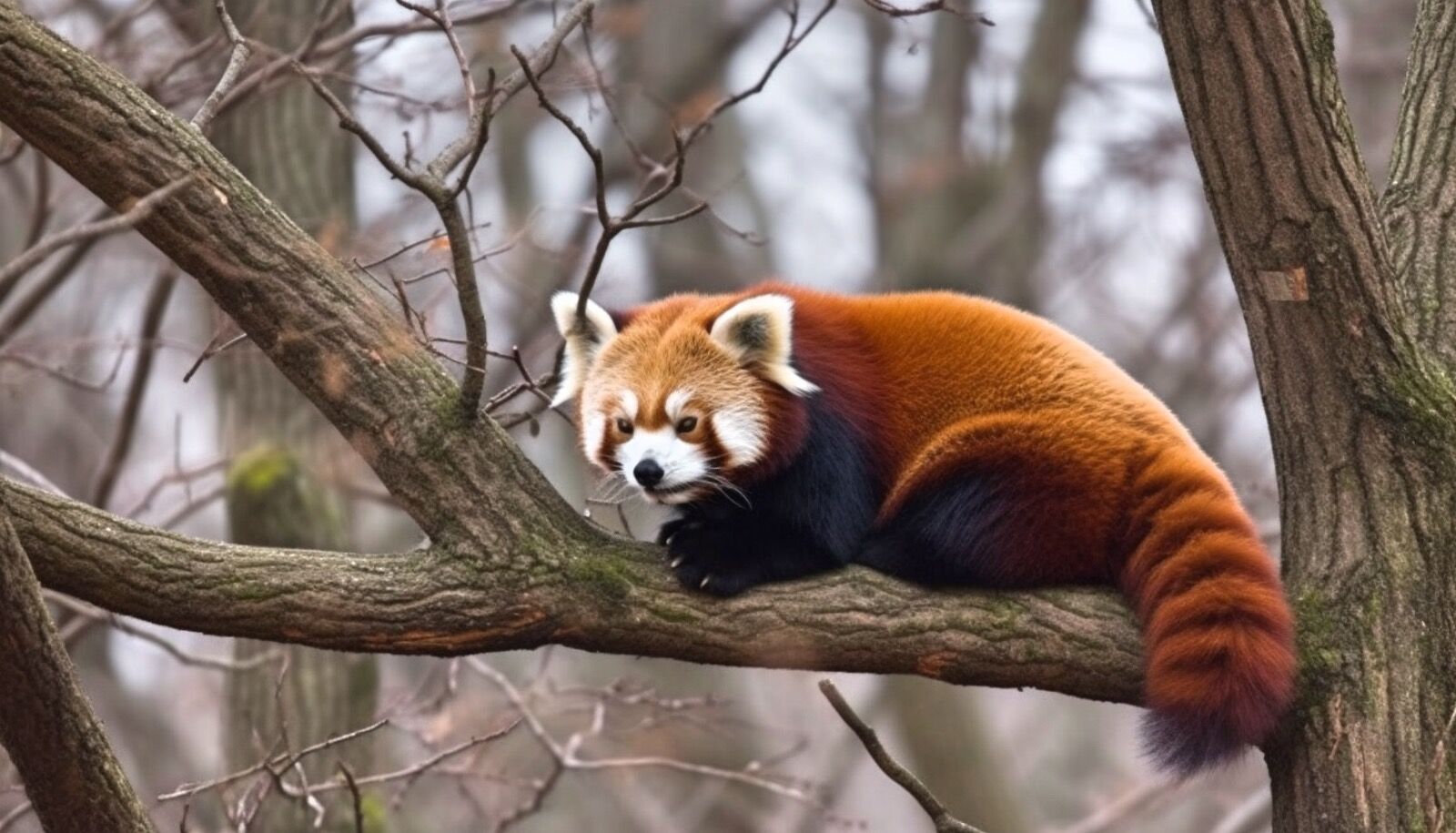
Answer 3: Around 85 percent or more
Question 4: Is the Red Panda more closely related to the Giant Panda or raccoons?
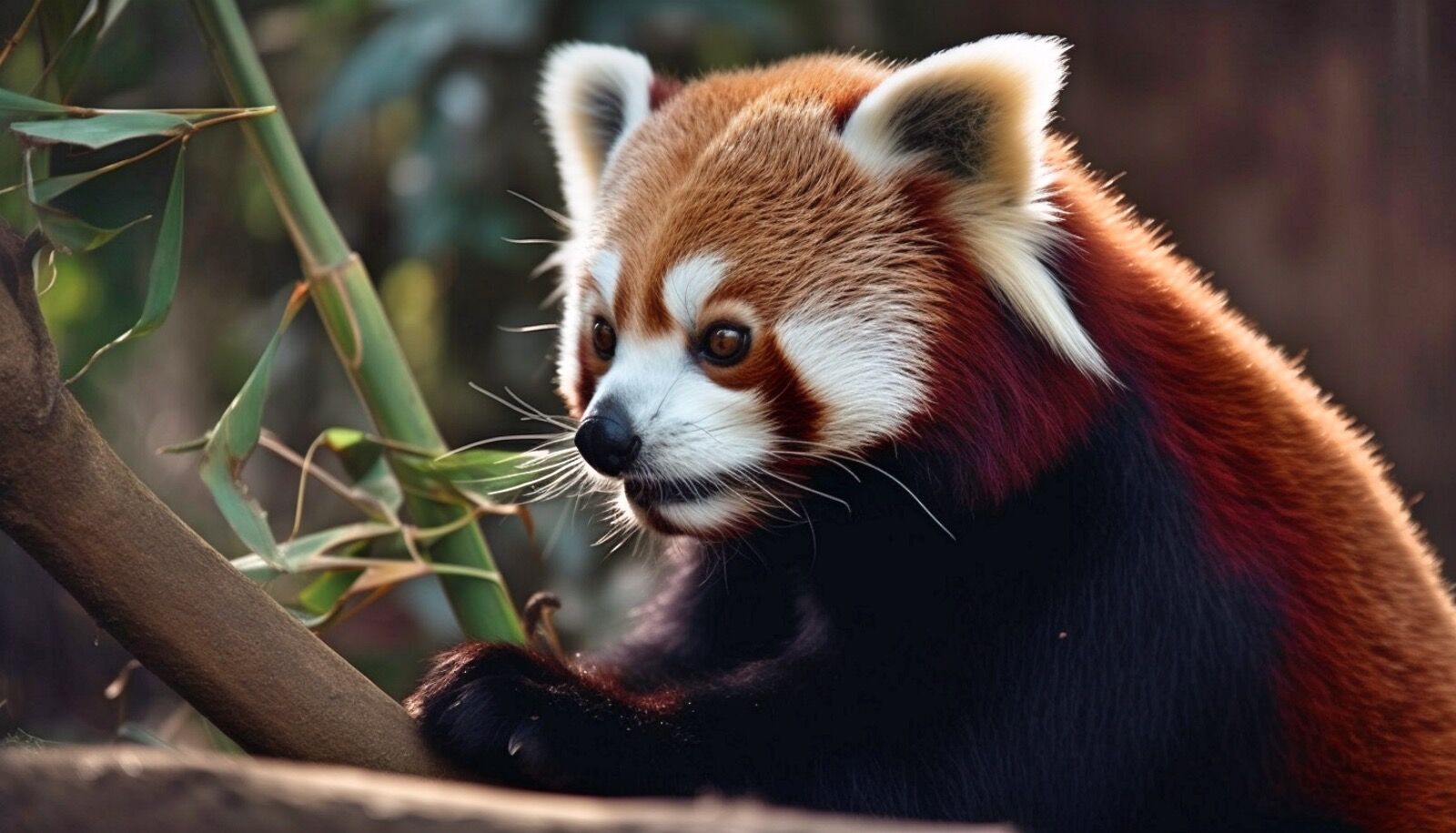
Answer 4: Raccoons
Question 5: What is the primary threat to Red Pandas?

Answer 5: Habitat loss
Question 6: What specialized bone helps the Red Panda grip bamboo like a thumb?
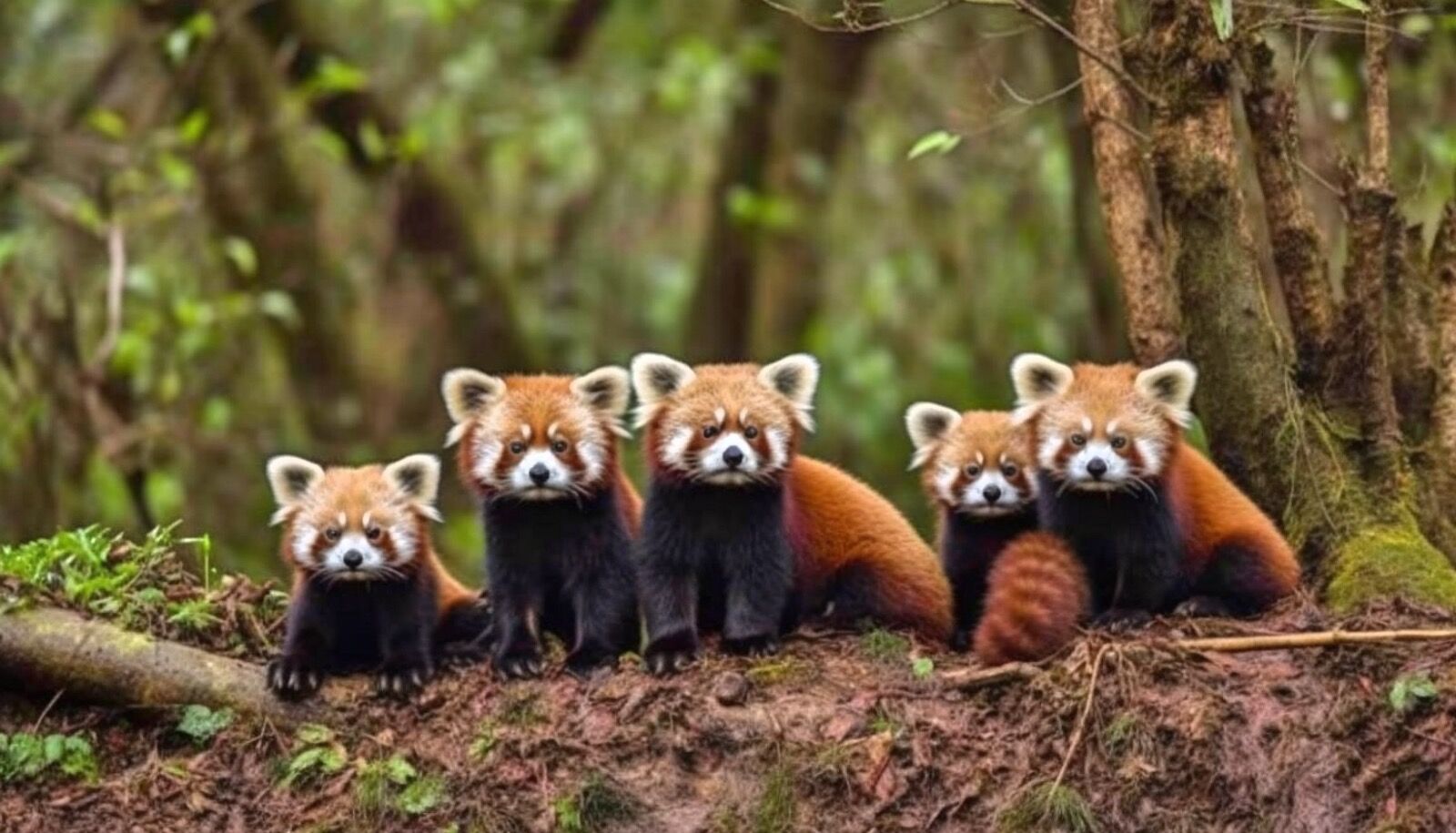
Answer 6: An enlarged wrist bone, the radial sesamoid, often called the false thumb
Question 7: What’s the Red Panda’s conservation status?

Answer 7: Endangered
Question 8: What is the size of the Red Panda compared to a domestic cat?
Answer 8: Roughly the same size, with a longer body and tail
Question 9: What other foods, besides bamboo, can the Red Panda eat?

Answer 9: Fruit, berries, acorns, eggs, insects and small rodents
Question 10: How many Red Pandas are estimated to be left in the wild?

Answer 10: Fewer than 10,000 mature individuals
How did you do? If you got eight or more right, you know red pandas better than most. For the full picture, our red panda species profile goes deeper into their biology and behaviour, and you can find out where to see them in person on our guide to red pandas in Yunnan.
More Panda Trivia Games
Enjoyed this one? We have two more trivia games for the giant panda and its mountain-dwelling cousin, the Qinling panda.


This article is part of our panda facts guide, which links every article on panda biology, behaviour and culture.


The Nepali ponya etymology is the cleanest version of that story I have read. Most quizzes I have seen get the name origin completely wrong.
85 percent bamboo for red pandas is interesting against the ~95 percent figure I have seen elsewhere. Probably comes down to subspecies or seasonal variation. Either way they are diet specialists.