
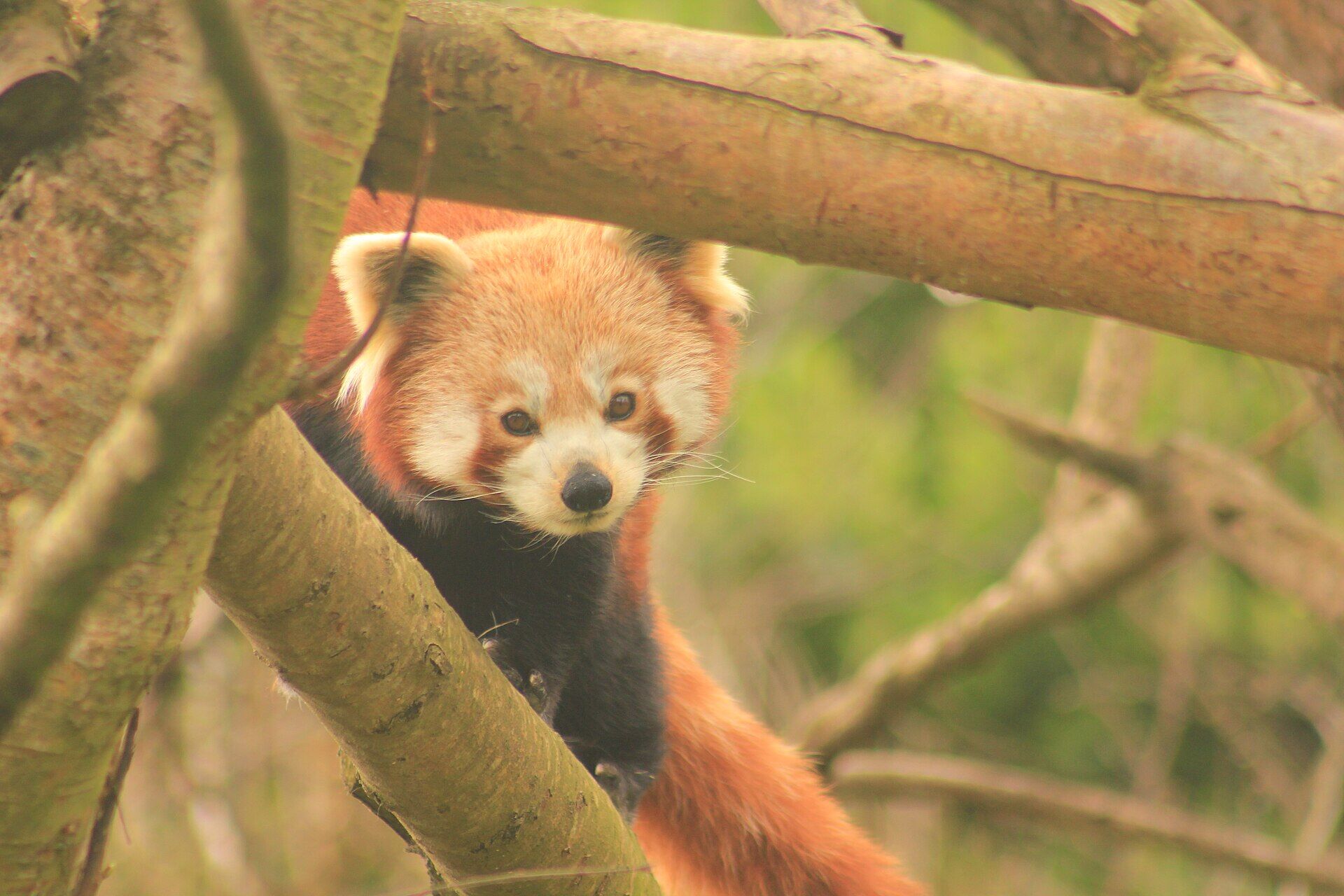
Zoo Escapee Rusty the Red Panda has Died
Last updated: November 5, 2026
3 min read
Rusty the red panda, the small animal who briefly ran loose in Washington, D.C. in the summer of 2013 and turned a zoo headache into a national news story, has died at the Pueblo Zoo in Colorado. He was ten years old. The zoo announced his death in October 2022, saying he had been lethargic and unwell in the days before. For an animal whose escape lasted only a few hours, his fame lasted nearly a decade.
The escape that made him famous
Rusty had been at the Smithsonian’s National Zoo in the Woodley Park neighbourhood of D.C. for only about three weeks when he got out on the night of 23 June 2013. Zoo staff discovered he was missing the next morning. The exact route was never confirmed. Heavy rain had bent tree limbs and bamboo in the enclosure, creating a likely climbing route.
He did not get far. Rusty was found about a mile from the zoo in Adams Morgan, a busy neighbourhood that borders the parkland around the National Zoo. A local resident spotted him in a tree and alerted the zoo, and staff recaptured him later that day. The hunt had already gone viral. The zoo set up a Twitter hashtag, residents posted sightings, and the search briefly became one of the most followed stories in the city. Rusty was barely a year old at the time, which made his short adventure read as charming rather than alarming.
Life after the headlines
The escape changed Rusty’s living arrangements. The following year he and a female red panda named Shama were moved out of the public exhibit to the Smithsonian Conservation Biology Institute in Front Royal, Virginia, a quieter facility focused on breeding and research. The pair produced three cubs there, an important contribution because red pandas are managed carefully across accredited zoos through a coordinated breeding programme. Shama died the same year.
Rusty later moved again, arriving at the Pueblo Zoo in Colorado in 2019. There he fathered twin cubs, Mogwai and Momo, in August 2021, adding to the wider captive population. So the animal best remembered for one chaotic morning actually spent most of his life doing the unglamorous, valuable work that zoo red pandas do: helping keep a healthy, genetically diverse population alive in human care.
Why a red panda can vanish so easily
Rusty’s escape was not a fluke of one badly built enclosure. Red pandas are built to disappear. In the wild they live in the temperate forests of the eastern Himalayas and southwestern China, spending most of their time high in the canopy. A few traits make them natural escape artists.
- They are expert climbers. Semi-retractable claws and flexible ankles that can rotate let them descend trees head first, which most climbing mammals cannot do.
- They are small and light. An adult red panda weighs roughly 3 to 6 kilograms, about the size of a large house cat, so a branch that looks too thin will still hold them.
- They are most active at dawn, dusk and night. A red panda is far more likely to test the edges of an enclosure when keepers are not watching.
- They are quiet and well camouflaged. The rusty-red coat that blends into reddish moss and lichen in the Himalayas works just as well against autumn leaves in a city tree.
Put all of that together with a rain-loaded branch and you get exactly what happened to Rusty. Modern red panda exhibits now account for this with electric or smooth-topped barriers, careful pruning, and routine checks after storms.
How long do red pandas live
Rusty died at ten, which is a fairly typical lifespan for a red panda. In the wild they often live around 8 to 14 years. In zoos, with veterinary care and no predators, they tend to live longer, and a few have reached their twenties. The species is Endangered: the IUCN puts the global figure at fewer than 10,000 mature individuals and falling, driven by forest loss, fragmentation of habitat, poaching for fur and the illegal pet trade. That is why every cub born in a managed programme, including Rusty’s, genuinely matters.
Rusty’s real legacy
It is easy to remember Rusty only as the runaway, but his lasting value was different. For one morning in 2013 he made hundreds of thousands of people in a major city think about an endangered animal most of them had never heard of. Public interest in red pandas has only grown since, helped along by their starring role in popular culture, and that attention translates into donations, awareness and support for conservation work in the Himalayas.
If Rusty’s story has made you curious about the species, our full red panda species profile covers their biology, diet and conservation status in detail. Rusty was a small animal who reminded a city to look up into the trees, and that is a fine thing to be remembered for.
This article is part of our panda facts guide, which links every article on panda biology, behaviour and culture.
Updated 14 September 2026: corrected factual details after a full review against primary sources.





I remember the day Rusty escaped vividly. Adams Morgan was a meme for like a week. Sad to hear, he had a real life impact even if it was brief.
21 years for the Rotterdam red panda is genuinely exceptional. Most captive red pandas top out at 14 to 16. Worth digging into the husbandry there.
Quick correction maybe: the article calls Rusty a one-year-old but news at the time put him closer to 11 months. Minor but worth flagging.