
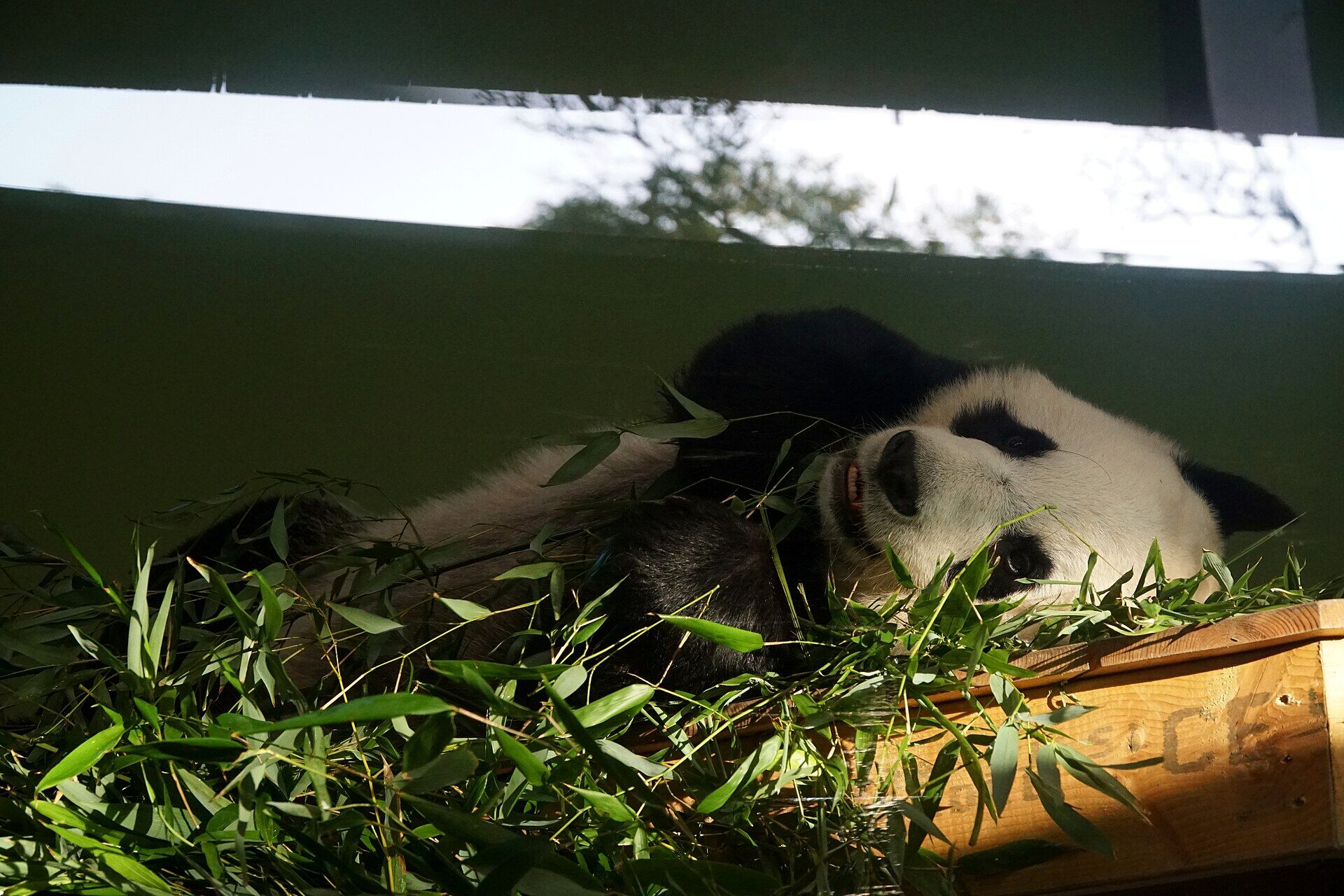
Saying Farewell to Edinburgh Zoo Pandas
Last updated: November 5, 2026
3 min read
For twelve years, Edinburgh Zoo was the only place in the United Kingdom where you could see a giant panda. That ended on Monday 4 December 2023, when Yang Guang and Tian Tian left the zoo and boarded a flight back to China. They had arrived in December 2011, and although the pair never produced a surviving cub, they spent more than a decade as two of the most visited animals in Scotland. This is the story of the UK’s pandas: how they came, what their stay involved, and why they went home.
How the pandas came to Scotland
Yang Guang and Tian Tian arrived at Edinburgh Zoo in December 2011, the result of a loan agreement between the Royal Zoological Society of Scotland (RZSS) and the China Wildlife Conservation Association. Modern panda partnerships usually use time-limited loans under a programme known informally as panda diplomacy. Mexico’s Xin Xin descends from earlier diplomatic gifts, and the agreement signed for Edinburgh ran for ten years, later extended by two more, which is why the stay stretched to twelve.
Their names carry a gentle meaning. Yang Guang, the male, translates roughly as “Sunshine”. Tian Tian, the female, means “Sweetie”. Both were born in 2003 at panda facilities in China, making them around eight years old when they reached Scotland and about twenty when they left.
The hope for a cub
A central goal of the loan was breeding. RZSS and the Chinese programme hoped Tian Tian and Yang Guang would conceive and raise a cub at Edinburgh, which would have been a major conservation success and the first giant panda born in the UK. It never happened. Giant panda reproduction is notoriously difficult: a female is fertile for only a short window each spring, usually 24 to 72 hours, and getting two specific animals to mate successfully in that window is far from guaranteed. The zoo attempted natural mating and artificial insemination across several years without a surviving cub.
That outcome is not unusual. Panda breeding programmes worldwide rely on a large coordinated population precisely because any single pairing may not work. The lack of a cub did not make the loan a failure in the eyes of the zoo, which framed the pandas’ real contribution as public engagement, research and fundraising rather than offspring.
What it cost to host two pandas
Keeping giant pandas is expensive, and Edinburgh’s figures show why few zoos take it on. Food and healthcare for the pair ran to an estimated 35,000 pounds a month, including roughly 70,000 pounds a year to import bamboo from the Netherlands. On top of that, RZSS paid China an annual loan fee of about one million US dollars from 2011, reduced to around half that when the agreement was extended for its final two years. Press estimates put the all-in cost to the zoo at over one million pounds a year, before counting the quarter of a million pounds spent building the enclosure in the first place.
An adult panda eats roughly 12 to 38 kilograms of bamboo a day, so a host zoo needs a large and reliable supply. Sourcing that much bamboo in Scotland, far outside the plant’s natural range, was a constant logistical task for keepers.
The farewell
When the extended loan reached its end, RZSS announced the pandas would return home, and the zoo organised a long goodbye. Visitors were given as many chances as possible to see the pair one last time, from standard viewing to panda talks and, for members and adopters, encounters that included feeding Yang Guang. RZSS chief executive David Field said that “Yang Guang and Tian Tian have had an incredible impact by inspiring millions of people to care about nature”. Senior animal keeper Michael Livingstone and RZSS vet Stephanie Mota flew to China with the pandas to help them settle in.
On 4 December 2023, after careful preparation, Yang Guang and Tian Tian left Edinburgh Zoo and were flown back to China. Their departure left the United Kingdom without a single giant panda for the first time in over a decade.
Why pandas go home
Returning is the normal end of a panda loan, not a sign of anything wrong. Under the loan system, the pandas and any cubs born abroad remain the property of China. As animals age, sending them home lets them spend their later years close to expert panda veterinary teams and to the breeding programme they belong to. For Tian Tian and Yang Guang, both around twenty, the return was a sensible retirement rather than a setback.
Our giant panda species profile covers their biology, diet and conservation status. You can also read our current panda location guide and the story of San Diego’s panda programme.
This article is part of our giant panda guide, which links every species, evolution and zoo article on the site.
Updated 14 September 2026: corrected factual details after a full review against primary sources.




Booked the Bamboo Brunch with my mum last month. Tian Tian was sleeping the whole time but Yang Guang put on a show. Worth the 48.50 if you have any history with these two. End of an era for Edinburgh.
Two pandas at Edinburgh for over a decade with no successful cubs is a difficult result for the breeding programme. Genuinely curious if RZSS will get another pair in future given that outcome.
Pandas and Pancakes is the cutest possible name for an event. Booking for my kids and crying about it on the way home is going to be the vibe.