
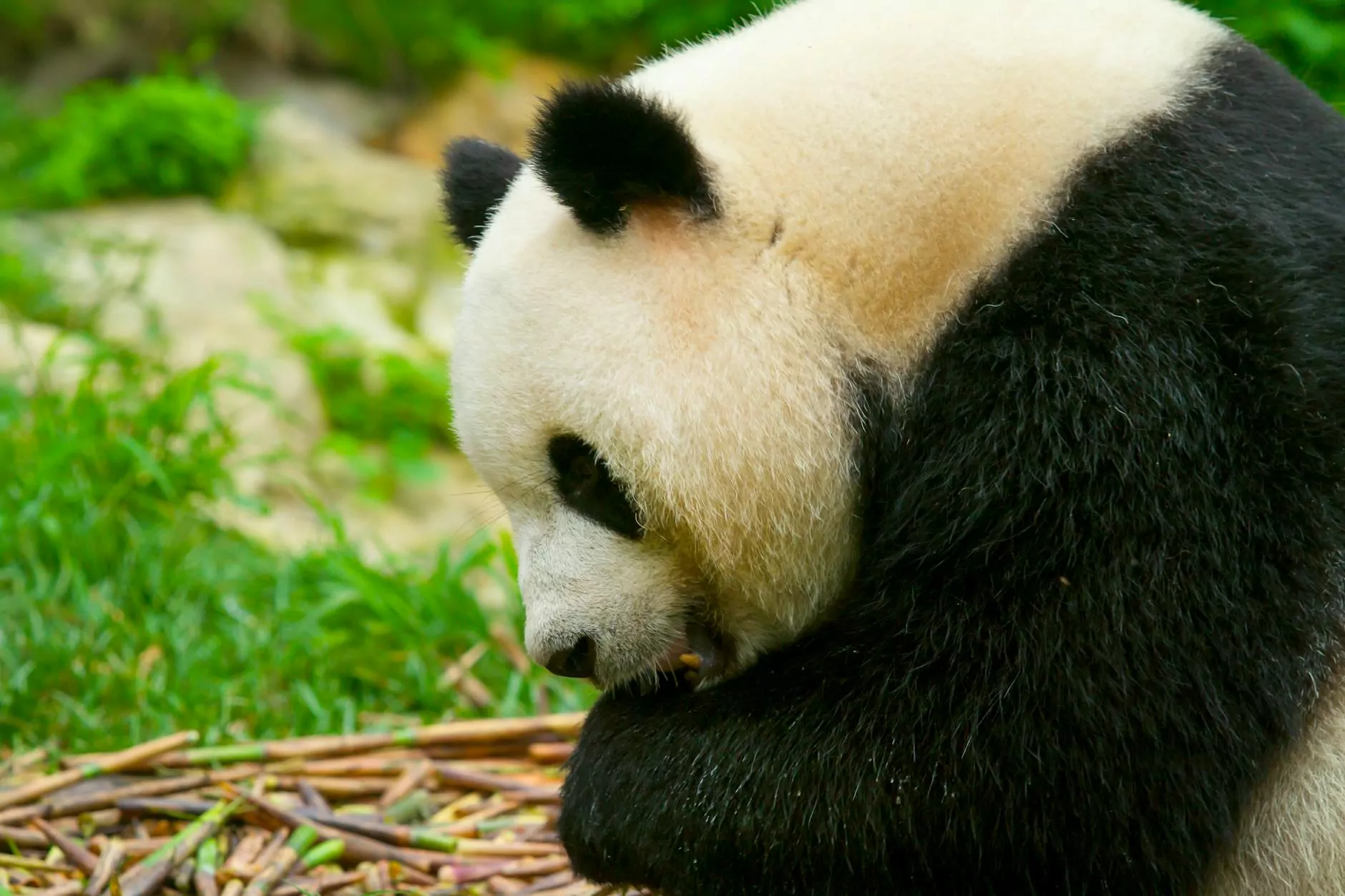
Tips For Success During A Giant Panda Volunteer Program
Last updated: November 5, 2026
3 min read
Volunteering at a Chinese panda base is real work: bamboo hauling, enclosure cleaning, food preparation, all under close supervision. It is not a cuddling holiday, and it has not been one for years. Here is what the programmes actually involve, what they cost, and what to sort out before you fly.
One thing to check first, as of July 2026: the Dujiangyan base, long the most popular place to do this, closed on 23 April 2026 for facility upgrades, with no reopening date announced. No current official notice confirms public keeper-volunteer places at Ya’an or Wolong. Check the CCRCGP’s current notices before booking. Confirm directly with the base or your operator before booking anything.
Expect very close supervision
You will be working around large wild animals in an unfamiliar environment, so expect keepers with you at every stage. An adult panda has a serious bite and heavy claws, and the rules exist for you as much as for the bears. If you are unsure about a task, ask before you start it.
What you will actually do
The one-day programme is the standard offering, and it runs roughly 9:00 to 15:30. Tasks are the unglamorous end of animal care:
- Carrying, sorting and laying out what will feel like a great deal of bamboo.
- Cleaning enclosures. This is exactly as messy as it sounds.
- Preparing food, including the steamed corn cakes the bases make for their pandas.
- Observing feeding and daily keeper routines.
- A documentary session and a talk on the conservation programme.
Longer placements exist at some bases and give you more responsibility as the staff get to know you. Nobody hands a first-day volunteer anything veterinary.
You will not be holding a panda
This is the question everyone asks, so here is the straight answer. Volunteer work is keeper work, not animal handling. Where a photo session with a young panda is offered at all it is a separate paid extra, priced at around 1,800 yuan, and availability changes with base policy. Do not book a trip on the assumption that you will get to touch one.
Cost and what is included
No current official CCRCGP notice confirms a public day programme, price or package. Do not pay a reseller without checking the responsible facility’s official notice. It does not usually cover getting to the base, accommodation, or any photo extras. Prices and inclusions differ between bases and between the agencies that resell the places, so get the list in writing before you pay.
Age, health and paperwork
Dujiangyan’s published rules, which the other bases broadly follow, set an age range of 10 to 70 and require a health examination form and an application submitted about a week in advance. You cannot take part with a cold, flu or any other infectious illness: panda cubs in particular are fragile, and the hygiene rules are strict for good reason.
Etiquette on the day
A supervisor will run through the rules before you go anywhere near the animals. In general:
- No sudden noises or movements.
- Never throw food to a panda.
- Ask before photographing. Some areas and some sessions are off limits, and some carry a fee.
- Do not touch the bears, and never enter an enclosure with a panda in it unless a keeper has told you to.
- Firm, non-slip footwear. You will be on wet concrete and mud.
- Skip perfume, strongly scented lotions and nail polish.
Where the programmes run
- Ya’an Bifengxia base, run by the China Conservation and Research Center for the Giant Panda.
- Wolong Shenshuping base, also run by the CCRCGP.
- Dujiangyan base, closed for upgrades since April 2026.
The Chengdu Research Base of Giant Panda Breeding is the easiest of the panda facilities to visit as an ordinary tourist, and worth a morning on its own, but the keeper programmes are run out of the bases above. Our piece on what a Chengdu visit is actually like covers that side of it.
Panda merchandise
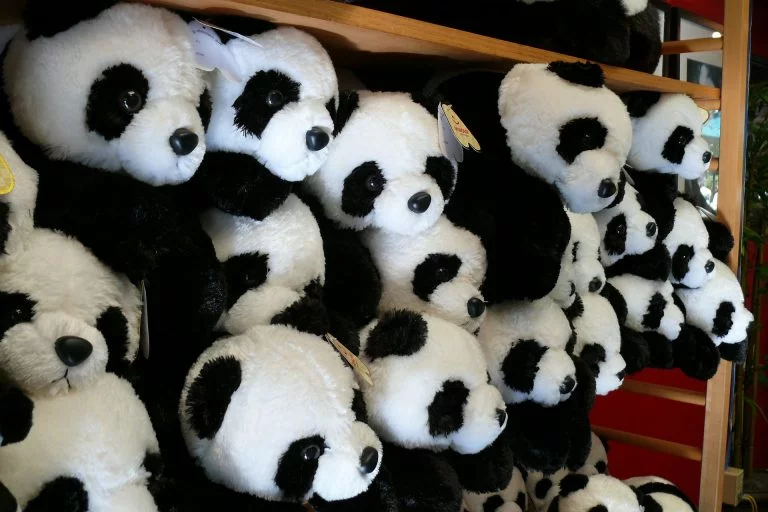
Browse panda-themed panda plushies and gear at our store, store.welovepandas.org.
Programme details change often and we do not have first-hand 2026 experience of the Ya’an and Wolong placements. If you have done one recently, tell us in the comments what it cost and what you were asked to do, and we will update this page.
This article is part of our panda conservation guide, which links all our reporting on threats, breeding and release.
Updated 14 September 2026: corrected factual details after a full review against primary sources.

Did the Dujiangyan programme in summer 2023. Eight-hour days are not exaggerating. You absolutely will be moving bamboo and shovelling enclosures. Worth every minute but go in with the right expectations.
Worth flagging that direct panda contact has been phased out at the reputable bases since 2019. Anyone selling you a hug-photo experience is either operating against current rules or has set it up at a non-research facility.
Mel, thanks for adding that. Pinned this comment up. The hug-photo era is gone at Chengdu, Dujiangyan, and Wolong. I will edit the post to make that more explicit.
Heads up: Chinese New Year shutdown is also a thing for Tomb-Sweeping and National Day. Not just CNY. Lost two days of an itinerary not knowing that.