
Panda Reintroduction Trials: Can Captive Pandas Survive in the Wild?
Last updated: September 14, 2026
3 min read
China began experimenting with releasing captive-bred giant pandas into the wild in 2006. After a fatal early attempt the programme redesigned its training and moved to a soft-release model built around multi-year wild-training enclosures. The China Conservation and Research Center for the Giant Panda has released 11 pandas since 2003, and nine of them were alive and integrated into wild populations as of June 2024: seven in the Xiaoxiangling Mountains, two in the Minshan.
Key facts
| First wild release | Xiang Xiang, 2006 (killed by wild pandas in 2007) |
|---|---|
| First successful release | Tao Tao, son of Cao Cao, released 11 October 2012 into Liziping |
| Total releases to date | 11 released by the state centre since 2003, 9 surviving |
| Main release site | Liziping Reserve, Sichuan |
| Training duration | Now around 2 years in graded wild enclosures |
| Survival rate | 9 of 11 alive and integrated as of mid 2024 |
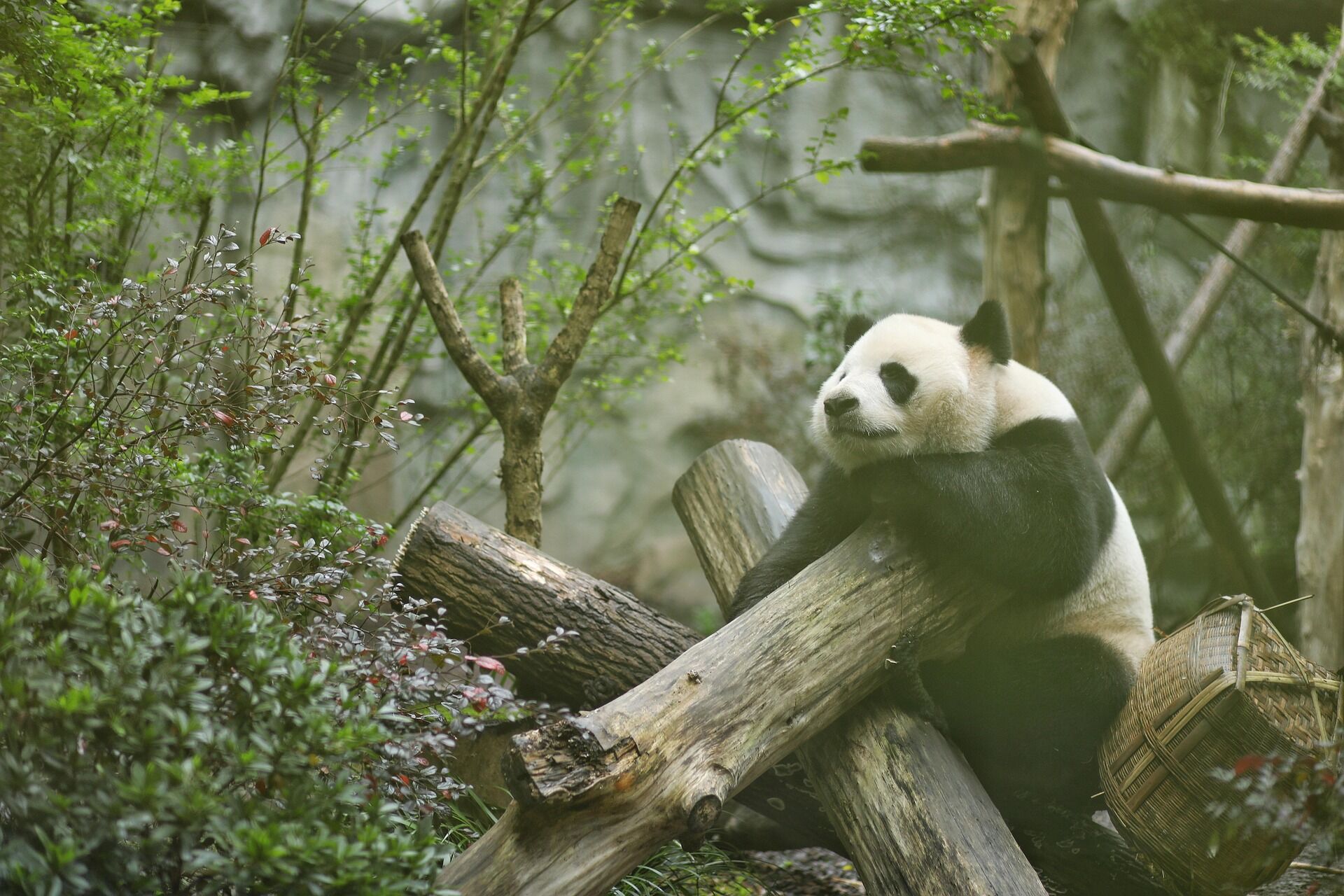
The Xiang Xiang lesson
Xiang Xiang was the first captive-raised panda released into the wild, in 2006, into the Wolong region. He survived less than a year. The official cause of death was a fall, but injuries indicated fighting with wild males. The release had been done with relatively short pre-release training.
The lesson was clear: captive-raised pandas need to learn how to navigate territory and how to back down from a stronger animal. The program redesigned around long-form soft release.
The soft release model
Modern releases begin with mother and cub in a small natural enclosure. The cub never sees humans without disguise; keepers wear panda suits, scented with adult panda urine, when entering the enclosure. After a year the pair moves to a larger natural enclosure, then to a semi-wild area inside the reserve.
Only after roughly 2 years of progressively wilder training does the cub get released into the open reserve. Each animal is collared, and behaviour is tracked for years.
Successes and remaining failures
Tao Tao, the son of Cao Cao and the first cub raised under the redesigned protocol, was released into Liziping Nature Reserve on 11 October 2012 and is generally regarded as the first survivor. Several later releases have also survived and integrated with wild populations. Liziping Reserve in southern Sichuan has been the main release site, with Daxiangling and other areas now also in use.
Failures have continued. Some released pandas have starved or been killed, sometimes by other pandas, sometimes by accident. Detailed reports are not always public. The programme treats each release as a multi-year experiment: of the 11 animals released since 2003, two did not make it.
What success at scale would look like
True success would mean releasing pandas at numbers that meaningfully top up small isolated wild subpopulations, not just one or two animals per year. The current program is still measured in single digits annually. Scaling will require larger soft-release facilities and more reserves prepared to absorb new pandas without disrupting wild groups.
Whether this is the right strategy at all is debated. Some conservationists argue that habitat protection and corridor work give more pandas per dollar than captive release. The official position is that both matter.
Related reading on welovepandas
- the captive breeding program
- Species Profile: The Giant Panda
- 5 panda sanctuaries to see
- giant panda habitat under pressure
- the panda volunteer program
Sources and further reading
This article is part of our Panda Conservation hub.
Frequently asked questions
When did panda reintroduction trials start?
The first wild release was in 2006. The program now uses a much longer training period than that first attempt.
How many captive pandas have been released?
Eleven by the China Conservation and Research Center for the Giant Panda since 2003, nine of them still alive as of June 2024. Numbers grow slowly because each animal needs roughly two years of soft-release training.
How do keepers avoid imprinting?
Keepers wear panda suits scented with adult urine when working with release candidates, so the animal never associates humans with food or safety.
Have released pandas bred in the wild?
Released pandas have been observed mating, but the official sources reviewed for this update did not confirm offspring from those matings.
Are wild pandas welcoming to released animals?
Not particularly. Territorial conflict is one of the main risks of release, especially for young males.
Updated 14 September 2026: corrected factual details after a full review against primary sources.


