Twin Swap: How Captive Pandas Raise Both Cubs
Last updated: September 14, 2026
2 min read
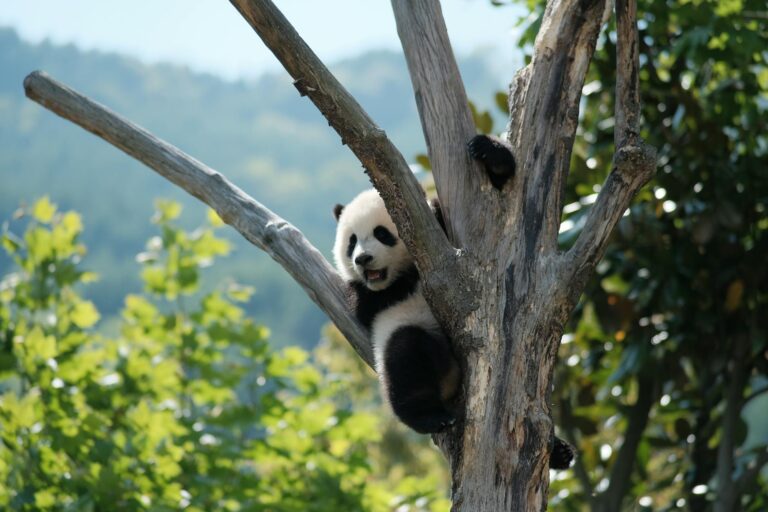
Giant panda mothers usually care for one cub at a time. In human care, teams can rotate twins between their mother and an incubator so each receives maternal care.
Key facts
| Wild twin outcome | Mothers are usually observed caring for one cub; the second is hard to document |
|---|---|
| Reported neonatal survival | 71 percent during 1990 to 2002 after combined rearing advances |
| Swap interval | Usually every few hours, set by the care team |
| Development | Refined across Chinese breeding centres alongside formula feeding and partial hand rearing |
| Cubs are how big at birth | Around 100 g |
| Time in incubator | Varies by cub and care plan |
Why wild mothers raise only one cub
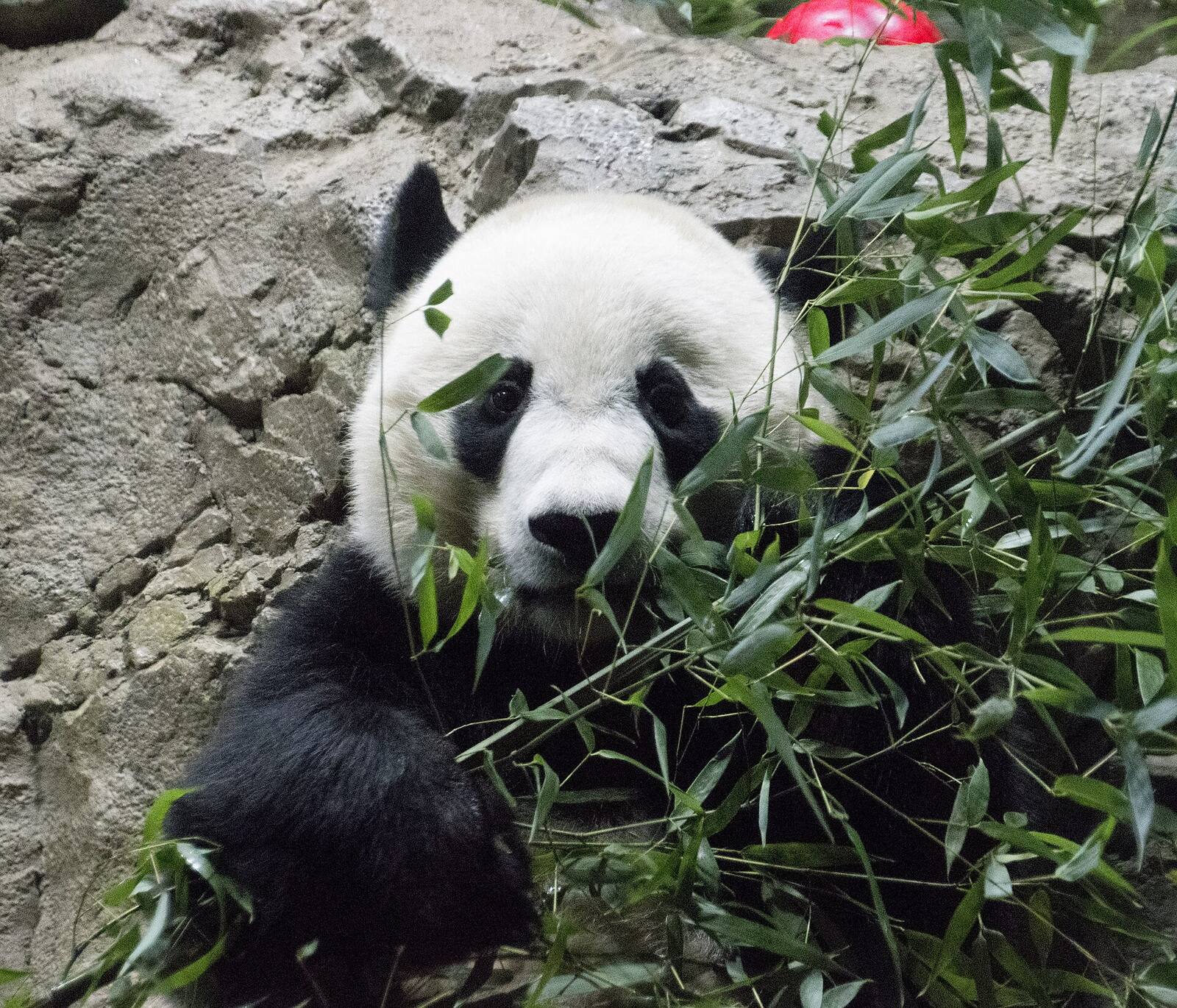
Panda cubs are tiny and totally dependent. Twins both need warmth, milk and close care. Wild mothers are usually observed caring for one cub, while the fate of the other is difficult to document in remote dens.
Twin swapping gives both cubs periods of maternal care in a managed setting.
How the swap works in practice
One cub stays with the mother while the other is in an incubator. Staff rotate them every few hours and provide any extra feeding or care that each cub needs. The schedule depends on the mother, the cubs and the care team’s assessment.
Staff monitor each cub’s weight, temperature, feeding and development. The cubs spend more time with their mother as the care team judges that safe.
The role of the panda nanny
Trained panda nannies do most of the day-to-day work. The job is famous for being delightful and exhausting in equal measure. Nannies handle cubs, monitor weight, watch for digestive issues, and bottle-feed throughout the night during the first few weeks. Our piece on the panda nanny job tells the human side of the story.
Strict hygiene matters because cubs are immunologically fragile. Nannies wear gloves, scrub between cubs, and follow checklists similar to neonatal nursing.
Limitations and ethical questions
Combined advances in twin swapping, formula feeding and partial hand rearing raised reported neonatal survival to 71 percent during 1990 to 2002. Twin swapping requires close human care and cannot be applied to wild dens.
Twin swapping improves captive rearing. Habitat protection remains a separate and necessary part of giant panda conservation.
Related reading on welovepandas
- panda nanny: best job on earth
- the captive breeding program
- giant panda reproduction
- the giant panda life cycle
- Species Profile: The Giant Panda
Sources and further reading
This article is part of our Panda Conservation hub.
Frequently asked questions
Why do wild panda mothers usually care for one twin?
Cubs need constant warmth, milk and close care. Wild mothers are usually observed caring for one cub, while the second is hard to document.
How often are the twins swapped?
It depends on the facility. Care teams usually rotate the cubs every few hours. The exact schedule depends on the mother and cubs.
Does the mother realise the swap is happening?
Care teams manage each exchange around the mother’s behaviour. Research has not established what a mother understands about the rotation.
Are hand-reared cubs healthy?
Many swapped cubs grow into healthy adults. Early rearing method can affect behavioural development, so every outcome cannot be treated as identical.
Can twin swaps be done in the wild?
No. The technique requires constant human handling, hygiene, and incubator infrastructure that wild dens cannot provide.
Updated 14 September 2026: corrected factual details after a full review against primary sources.